
Maintenance Tips for Dental Fillings & Root Canal Restorations: A Stittsville Dentist’s Guide
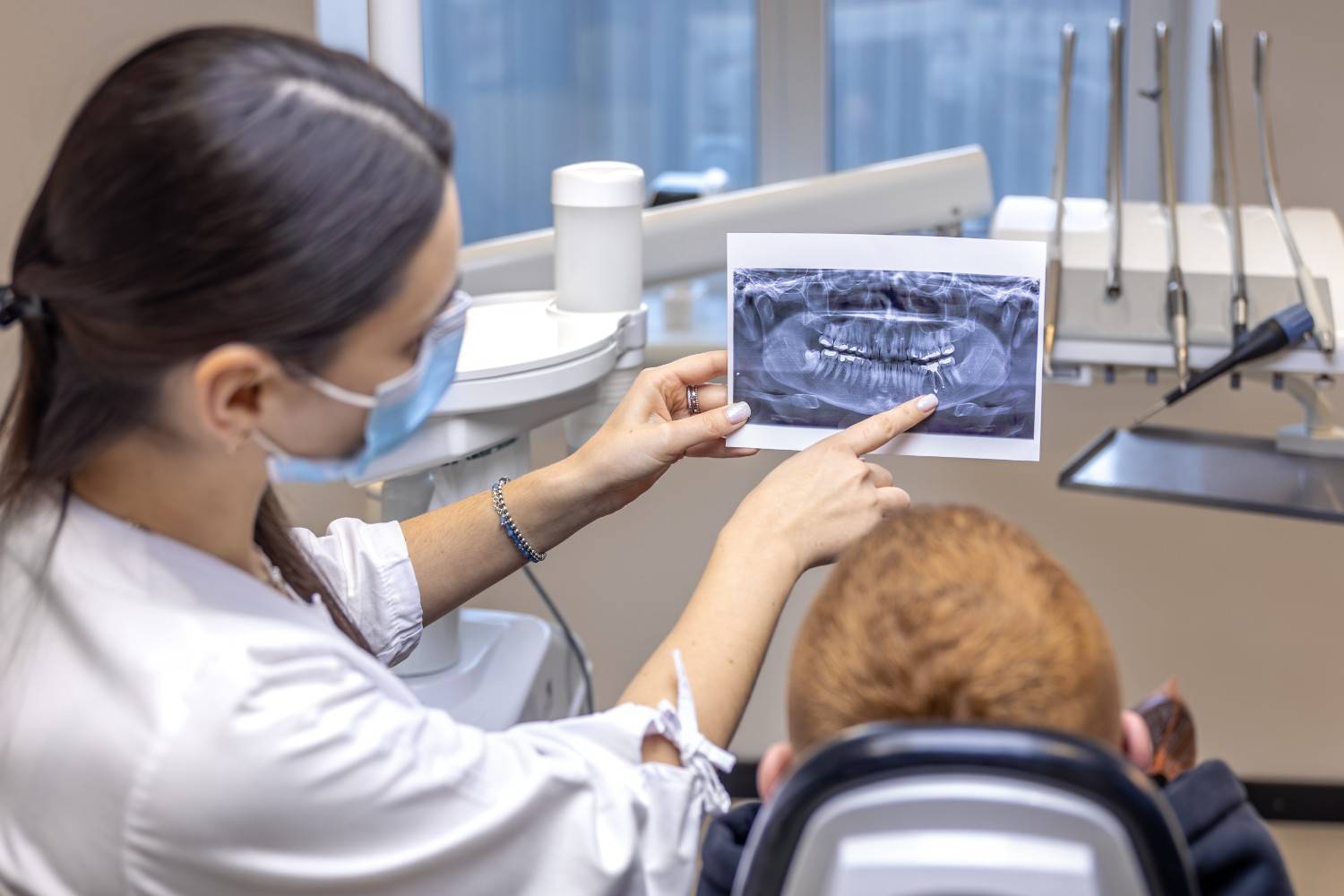
Dental fillings and root canal restorations are essential for protecting damaged teeth and restoring comfort, but their long-term success depends on proper care at home. Many patients who visit a dentist in Stittsville want to understand how to keep these restored teeth strong, prevent future decay, and avoid issues like sensitivity or reinfection. At Gumtree Dental Care, patients often ask how long their restorations should last, whether they require special maintenance, and what signs to watch for over time.
Fillings and root canal treatments are designed to be durable, but daily habits, oral hygiene, and lifestyle choices all play major roles in how well they hold up. Knowing how to care for them ensures you maintain good oral health and prevent unnecessary complications. This guide explains how these restorations work, common mistakes to avoid, and reliable ways to protect your teeth after treatment. Whether you’ve recently completed a dental filling treatment in Stittsville or undergone a root canal treatment in Stittsville, these tips will help you keep your smile healthy for years to come.
What Dental Fillings and Root Canal Restorations Really Do
Both treatments serve different purposes but share one main goal: protecting the tooth from further damage.
Dental Fillings
A filling restores a tooth after decay is removed. Composite fillings, which match the natural tooth colour, blend in and support normal function. They prevent bacteria from entering the tooth again and stop decay from spreading.
Root Canal Restorations
A root canal becomes necessary when the inside of a tooth becomes infected or inflamed. During the procedure, the damaged nerve tissue is removed, the canals are cleaned and disinfected, and the tooth is sealed. Most root canal-treated teeth also require a crown for added strength.
Both treatments help save natural teeth, prevent pain, and restore normal chewing.
Why Maintenance Matters for Stittsville Patients
Even though fillings and root canal restorations are strong, they are not completely immune to damage. Proper care matters because:
- Fillings can wear down over time
- Root canal teeth can become brittle without protection
- Bacteria can enter if restorations crack or loosen
- Gum health affects how well restorations hold
- Everyday habits influence long-term success
Stittsville’s climate also plays a role. Cold winters can increase tooth sensitivity, while seasonal dry air may affect gum health. Good oral care helps minimize these issues and protect restored teeth.
How to Care for Dental Fillings: Practical Tips
Dental fillings support the structure of your tooth, but they need consistent care to stay durable. Here’s how you can protect them daily.
Brush Gently but Thoroughly Twice a Day
Use a soft-bristled toothbrush and fluoride toothpaste. Gentle brushing helps remove plaque without putting unnecessary pressure on the filling.
Avoid harsh brushing techniques, which can cause the filling margins to wear down more quickly.
Floss Daily to Prevent Decay Around the Filling
Many patients worry that flossing will dislodge a filling, but proper flossing actually prevents decay near the edges.
Slide the floss gently, curve around each tooth, and avoid snapping it downward. Keeping the area clean maintains a tight seal around the filling.
Avoid Chewing Hard Items
Fillings are strong but not indestructible. To protect them, avoid chewing:
- Ice
- Hard candies
- Pens
- Fingernails
- Unpopped popcorn kernels
A cracked filling may not always hurt immediately but can lead to decay or sensitivity.
Be Mindful of Sticky Foods
Caramels, taffy, and very sticky candies can pull on fillings, especially newer ones. If you enjoy these treats occasionally, rinse or brush soon after.
Watch for Sensitivity or Discomfort
A small amount of sensitivity after getting a filling is normal, but persistent discomfort is not. Contact your Stittsville dental clinic if you notice:
- Pain while biting
- Sensitivity lasting more than two weeks
- Cracks or rough edges
- Food getting stuck around the filling
Early evaluation prevents bigger problems.
Schedule Regular Dental Checkups
Your dentist will check your fillings for wear, gaps, or breakdown. Early detection means easier repairs and fewer complications.
How to Care for a Root Canal Restoration
Root canal-treated teeth require a bit more attention because the inner nerve is removed, which can make the tooth more fragile. The crown placed afterward protects it, but good habits are essential.
Protect the Tooth Until the Crown Is Placed
If you had a recent root canal and are waiting for your permanent crown:
- Avoid chewing on that side
- Avoid sticky, hard, or crunchy foods
- Keep the temporary crown clean and secure
The tooth is more vulnerable during this stage.
Brush and Floss Normally Once the Crown Is Placed
A permanent crown reinforces the tooth, allowing you to brush and floss normally again. Good daily habits keep the gum tissue healthy and protect the crown margins from decay.
Avoid Excessive Bite Pressure
Teeth with root canals can still crack if exposed to:
- Grinding
- Hard foods
- Jaw clenching
- Sudden trauma
If you grind your teeth at night, ask about a nightguard to protect your restored teeth.
Keep the Crown Edges Clean
The area where the crown meets your natural tooth is more prone to plaque buildup. Proper brushing and flossing prevent decay in this zone.
Flossing around a crown should be gentle and consistent.
Pay Attention to Any New Pain or Swelling
Root canal restorations are designed to last, but sometimes reinfection can occur. Contact a dentist in Stittsville if you notice:
- New pain months or years after treatment
- Swelling near the tooth
- A small pimple-like bump on the gums
- Discomfort when chewing
Early care prevents complications and protects your investment in the restoration.
Be Mindful of Temperature Sensitivity
After a root canal, the tooth should not feel sensitive to cold or heat. If you notice increasing sensitivity, it may signal a restoration issue that needs attention.
Attend Regular Dental Cleanings and Exams
Routine visits allow your dentist to check:
- Crown stability
- Integrity of the root canal seal
- Gum health
- Bite alignment
- Signs of grinding or wear
Consistent care helps root canal-treated teeth remain strong for years.
Daily Habits That Support Both Fillings and Root Canals
Some habits help protect all types of dental restorations.
Use Fluoride Toothpaste and Mouth Rinse
Fluoride strengthens enamel and helps prevent decay around restorations. It also protects exposed root surfaces.
Stay Hydrated
Dry mouth increases cavity risk. Drinking water frequently supports saliva flow and reduces plaque buildup.
Limit Sugary and Acidic Snacks
Soda, sports drinks, candies, and acidic foods weaken enamel. Minimizing them reduces the risk of decay around fillings and crowns.
Use a Nightguard if You Grind Your Teeth
Grinding puts pressure on fillings and crowns, causing fractures or loosening. A nightguard protects your teeth and restorations while you sleep.
Quit Smoking or Tobacco Use
Tobacco increases decay risk, staining, gum inflammation, and complications around restorations.
Signs That a Filling or Root Canal Restoration Needs Attention
Even well-maintained restorations eventually show signs of wear. Contact your Stittsville family dentist if you notice:
- Sharp pain when biting
- Cracks in a filling or crown
- Rough edges or chips
- Darkening around a filling
- New gum swelling
- Sensitivity that persists
- Food packing between teeth
- A loose or shifting crown
The earlier these changes are addressed, the simpler the repair.
What to Expect During a Dental Checkup for Restorations
During your visit, the dentist will:
- Inspect the filling or crown
- Check for decay around the edges
- Examine bite alignment
- Look for cracks or wear
- Take X-rays if needed
- Provide cleaning and polishing
These evaluations help extend the life of both fillings and root canal restorations.
A Local Patient Experience
“I had fillings done a few years ago and didn’t realize how important daily care was. After learning how to brush and floss properly around them, my checkups have been much easier. The dental team showed me simple tips to keep everything clean, and I feel more confident about my oral health now.”
FAQ
How long do dental fillings last?
Composite fillings typically last many years with good oral care. Their lifespan depends on your brushing habits, diet, bite pressure, and regular checkups.
How long does a root canal last?
A properly restored root canal can last a very long time, especially when protected with a crown and maintained through good daily habits.
Can a filling fall out?
Yes, fillings can loosen or fall out due to wear, biting hard foods, or decay. If this happens, seek care promptly to avoid further damage.
Why does my tooth still feel sensitive after a filling?
Mild sensitivity is normal for a short time. If it continues beyond two weeks, it may need adjustment or further evaluation.
Can a root canal fail years later?
Yes, reinfection can occur, though it is not common. Early signs like swelling or persistent pain should be checked by a dentist in Stittsville.
Do crowns require special cleaning?
Crowns should be brushed and flossed like natural teeth, especially around the gumline where plaque builds up.
Can I prevent future fillings?
Regular brushing, flossing, fluoride use, and professional cleanings reduce cavity risk significantly.
A Better Smile Starts With Consistent Care
Dental fillings and root canal restorations can last for many years when supported with good habits, preventive checkups, and proper cleaning techniques. By understanding how to care for your restored teeth, you protect both your oral health and your investment in treatment. Gumtree Dental Care is here to guide Stittsville residents with personalized advice and ongoing support for maintaining strong, healthy smiles.
Child’s Oral Health
Enter your information below.
"*" indicates required fields
This will close in 0 seconds
Cosmetic Dentistry
Enter your information below.
"*" indicates required fields
This will close in 0 seconds
Dental Implants
Enter your information below.
"*" indicates required fields
This will close in 0 seconds
Invisalign
Enter your information below.
"*" indicates required fields
This will close in 0 seconds
Orthodontics
Enter your information below.
"*" indicates required fields
This will close in 0 seconds
Perfect Wedding Day Smile

Enter your information below.
"*" indicates required fields
This will close in 0 seconds